
Category: Blog

  • How To: Helping Your Child Adjust to the Fall Time Change

    It’s that time of year when it gets darker earlier and is often still dark when we wake up. On November 2, 2025, at 2 a.m., our clocks will fall back to Standard Time, gifting us an extra hour of glorious sleep. While the prospect of an additional hour may be welcome news (I know I’m excited!), the shift can cause anxiety for households with young children.

    Here are some tips to help your family smoothly transition to the fall time change:

    Reset Their Systems: Exposure to sunlight in the morning helps reset their circadian rhythms for the day.

    Stick to Your Routine: Children thrive when they know what to expect. Keeping the same sequence of events helps them feel secure through the shift.

    Be Flexible: The time change can be tough for everyone. Allowing children to nap or go to bed a little earlier (even if you’re trying to extend their wake times) can make a significant difference in their adjustment.

    Stay Consistent: Consistency is your BEST friend when it comes to sleep—and parenting in general! Maintaining a consistent response and routine is key.

    Beyond these tips, consider your child’s temperament. For some, the time change is no big deal. But for children who are more sensitive, we need to be extra patient and allow flexibility in their adjustment.

    Do-Nothing Approach

    For easygoing children, simply shifting their schedules to the new time with minimal or no adjustments may be just fine.

    Gradually Adjust the Time

    For more sensitive children, gradually shifting their schedule a week before can be very helpful. Move naps and bedtime 15 minutes later each day. In four days, their schedule should align with the “new” time.

    Example: If your baby naps at 9:00 a.m. and 1:00 p.m. and goes to bed around 6:30 p.m., begin adjusting the schedule on Wednesday. Put them down at 9:15 a.m. and 1:15 p.m. and shift bedtime to 6:45 p.m., making 15-minute adjustments daily. This gradual change can ease their transition.

    Adjust After the Fact

    If you miss the chance to gradually shift before the time change, don’t worry. Adjust their schedule afterward, and observe where they struggle to offer more targeted support.

    Remember: The time shift can throw everyone off, so give your family some grace during this transition. It’s normal to see a few mornings with early wakings or some sleep regressions. Consistency, patience, and following these tips can help prevent major disruptions.

    Additional Tips for the Time Change Transition

    As you adjust routines, it’s also a great time to check your child’s sleep environment:

    Lighting: Although it’s getting darker earlier, make sure there aren’t any lights shining into your child’s room. Blue, green, purple, and pink lights can disrupt sleep by interfering with melatonin production. Red or amber lights are ideal for preserving sleep quality.

    Temperature: A cool room is best for sleep. While some families prefer between 65 and 69°F, adjust according to your child’s comfort. As temperatures drop, make sure your child’s room is comfortably cool but not too cold or hot.

    Sleepwear: Ensure your child’s attire suits the season. If using a sleep sack or swaddle, consider the material and weight. For example, if your home is warmer, avoid heavy fleece pajamas under a wool sleep sack, as this can be too warm. A lighter cotton pajama with a fleece sleep sack can provide balance. For children who tend to run warm, try a light T-shirt with short pajama bottoms and socks, which keeps feet warm while allowing cooling.

    With these extra steps, you can help ensure an optimal sleep setup. If you’re using ambient noise like a sound machine, pair it with a dim, red, or amber night light to avoid disrupting your child’s sleep rhythms. Finally, set the thermostat to a seasonally appropriate level, and make sure your child’s clothing keeps them comfortable through the winter.

    Ready to make this time change smoother for your family? Start implementing these tips today, and let us know in the comments which strategy works best for you! For more sleep tips and personalized support, check out our services.

  • 11 Sleep Safe Tools

    With so many new products on the market these days, it’s hard to know what’s safe to use. Here are 11 safe sleep tools to add to your sleep toolbox:

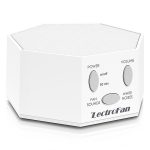
    1. Sound machineSound machines are high on my list of must-haves since I’m often working with newborns. But they aren’t just for babies. They can be just as useful for toddlers and adults alike. Sound machines create ambient noise that allows us to fall into a much deeper sleep. They are also great at blocking out other noise in the home.

    2. Swaddles – Swaddles are another favorite of mine. Swaddling can be a tremendous help for newborns and babies up to 16 weeks. Because babies have a strong Moro Reflex, it can prevent them from sleeping. Swaddling helps baby’s calming reflex kick in so they can relax enough to sleep.

    Since traditional swaddle blankets can be difficult for a lot of people to master, I recommend using swaddle blankets like the SwaddleMe and Ollie for easier swaddling.

    When swaddling safely, the top of the swaddle should line up with your baby’s armpit. This prevents it from riding up in your baby’s face.

    3. Sleep Sacks – Transitioning out of a swaddle can be difficult for some babies. Moving them into a sleep sack can provide them with some of the same comforts of a swaddle. You want your sleep sack to have ample room at the bottom so your child can move their hips properly.

    Alternatively, sleep sacks can also be used to help babies or toddlers who attempt to jump out of their cribs. Going down a size prevents them from throwing their legs over the railing.

    4. Weighted Blankets – Weighted blankets are near and dear to my heart. They are a wonderful option for children ages 4 and up who seek extra snuggles or who struggle with sensory issues. The pressure helps them to relax.

    5. Lovies – Lovies are a fantastic tool for children who are tactile and need something to hold on to in order to sleep. A lovey can be a small blanket toy or a tag style blanket. They should only be used with children 12 months of age and older.

    6. Black Out Blinds or Curtains – What a miraculous tool blackout blinds are. I believe them to be an essential tool for every family’s sleep toolbox. They block out unnecessary light during naps and night sleep – which again protects our melatonin stores. This in turn allows us to achieve much deeper sleep.

    7. Red night light – We are inundated with blue light all day long. It can affect our circadian rhythms by lessening our melatonin production. This is true not only for us adults but our children as well. Implementing the use of red lights in the evening (after sunset) can help protect our melatonin hormone. So, instead of using a white light as a night light, consider using a red night light as an alternative.

    8. Pacifiers – Pacifiers are another great tool to have in your arsenal as well. They pair well with swaddles and sleep sacks but can also be used alone. Pacifiers are important for newborns and babies as they are thought to help reduce the risk of SIDS. They are also beneficial for non-nutritive (comfort sucking) for babies. It brings them the comfort they seek and gives the chest feeding parent a break.

    9. A Toddler Clock – Do you have a toddler who is struggling to stay in bed during the early morning hours? Toddler clocks can help add a visual reminder to your toddler that it’s not time to wake up for the day.

    10. Bassinet/ Sidecar – The AAP recommends that babies room share with their parents for the first 6 months of life. For parents who want more of a co-sleeping option, arms reach sidecar bassinets can be helpful. They offer a safe place for baby to sleep while being close to their parent. For parents who want baby to have their own sleeping space farther away from them, a traditional bassinet can offer a suitable alternative.

    11. Slumberpod – Let’s be honest here, it can be challenging traveling with a little one in tow. Room sharing with young children at hotels or in-laws can make or break the trip. The rooms are quite often too bright and don’t offer any separation for parents or the child(ren). This can make naps and bedtime a chore. A SlumberPod allows parents to create a dark, cool sleep place for their little ones. If you’d like your own Slumberpod, here’s a discount code for 10% off – slumber$20

    What sleep safe tool do you use the most?

  • Trust and Sleep Training

    Trust and Sleep Training

    Trust can be a difficult thing to wrap one’s mind around when you consider sleep training. It’s often associated with fear and leaving babies to cry on their own. It felt important to open up the conversation about trust as it relates to sleep training – to change the way we approach it and babies as we support them throw sleep.

    How do you view trust and how it relates to sleep training?